
Essential nutrients for cats and dogs explained
For more than 50 years, our nutritional and research teams have spent countless hours researching the nutritional needs of cats and dogs to understand the role nutrition plays in maintaining a healthy lifestyle. As such, each of our tailored diets includes at least 50 individual nutrients, adapted to a pet's unique needs.
The nutrient-based approach to pet food
At Royal Canin, we know that the value of ingredients in pet food is the nutrients they provide. That's why we take a nutrient-first approach to our unique diets.
In this approach, the nutritional needs of a pet are evaluated through detailed research and observation. An optimal diet profile is then determined for cats and dogs, based on both standard species guidelines and unique observations of the breed, age, lifestyle, sensitivities and health status. From here, high quality, highly digestible ingredients are sourced which can be combined to meet each tailored nutritional profile.
Relying on this approach, we are able to select high-quality nutrients from more sustainable sources with a lower carbon footprint. In doing so, we can choose recipes with the least environmental and social impact whilst providing pets with nutrition of the highest quality, benefits and safety.
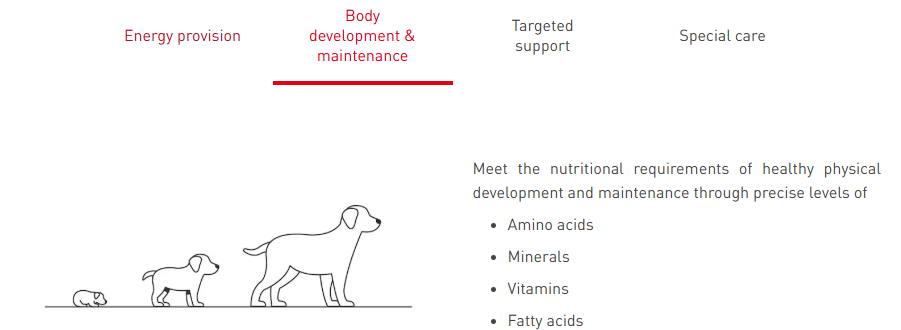
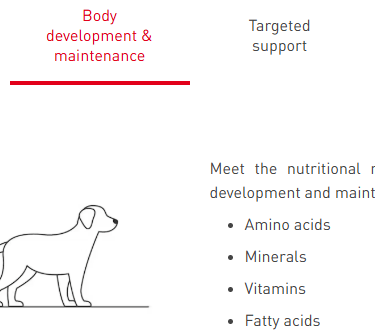
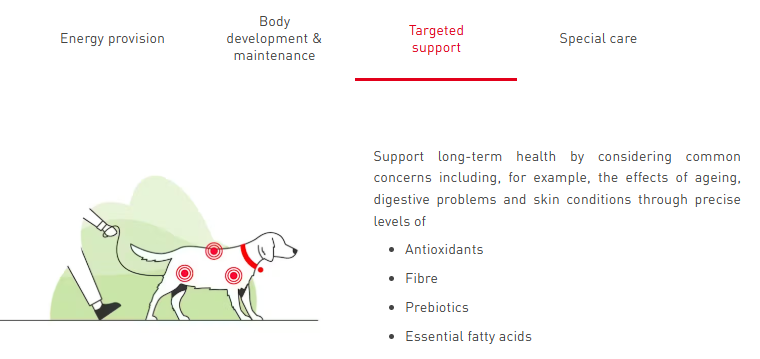
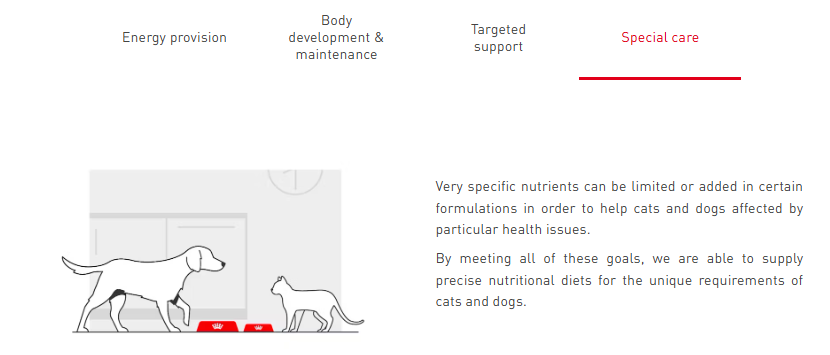
Royal Canin's detailed approach to nutrition has four goals which underpin all of our nutritional developments:

Understanding the role of nutrients
By recognising the key benefits of each of these nutrients, you can make informed decisions about your pet's diet. At Royal Canin, we know that understanding what nutrients are important for your pet, and why, can be difficult. As such, we've broken down the five most important nutrients, where they can be sourced and the role they play in cat and dog nutrition, so that you can be confident in choosing the right food for your pet.


The role of protein in pet food
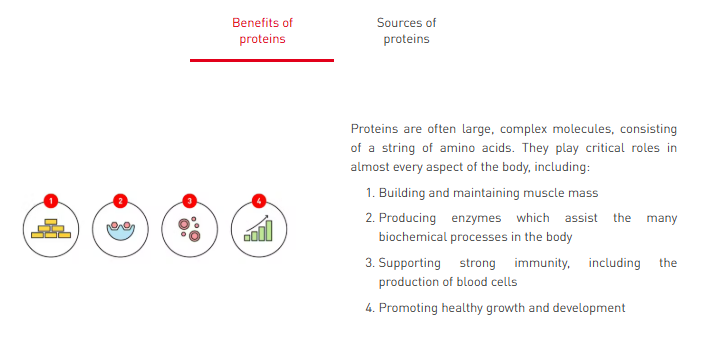
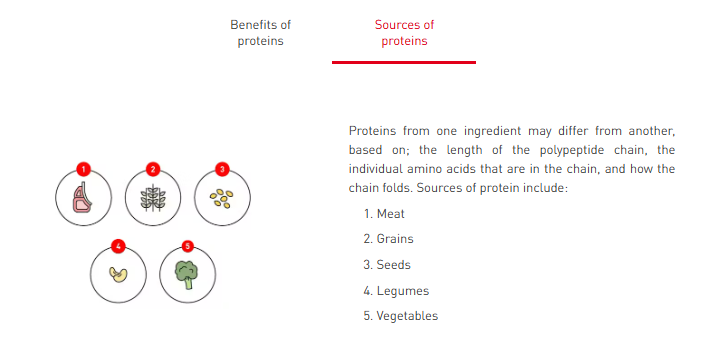
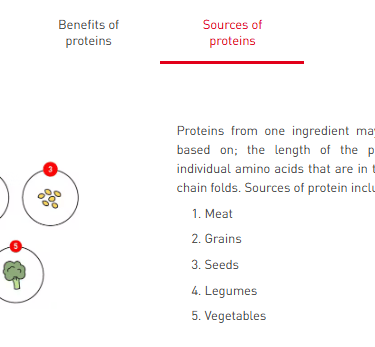
Protein is one of the main macronutrients in a pet's diet, alongside carbohydrates and fats. Cats and dogs require a lot of protein, as it is a source of energy, but is also key to healthy growth, healing and gestation. Due to these roles, puppies and kittens, pregnant animals and those suffering from certain illnesses may require more protein than healthy, adult pets.
It doesn’t matter if dietary protein comes from one source, or from multiple ingredients, as long as the total protein supplied in the diet provides all the necessary amino acids in the correct amounts.
The role of carbohydrates in pet food
Carbohydrates is a term that covers molecules composed of carbon, oxygen and hydrogen that have certain chemical characteristics in common.
Cats and dogs can live without carbohydrates in their food, as they synthesise some types of carbohydrate they need for the cells from amino acids. The intake of carbohydrates does, however, greatly improve the body’s functioning. Recent research has revealed that as they became domesticated, dogs have undergone genetic changes which mean they are able to thrive on diets with a greater proportion of carbohydrate.*
*Axelsson et al. The genomic signature of dog domestication reveals adaptation to a starch-rich diet. Nature. 2013;495(7441):360-4
The role of lipids (fats) in pet food
Lipids constitute a family of organic substances commonly known as fats. Fats are the benchmark energy source for dogs and cats, who oxidise them to extract the energy they need. A gram of lipids represents approximately 8.5 kcal of metabolisable energy, almost two and a half times more than a gram of carbohydrate or protein provides.
The role of minerals in pet food
The minerals that are present in high quantities (calcium, phosphorus, potassium, sodium, magnesium) are called macro elements. Those present in very low quantities – trace elements – represent a few milligrams/kilograms (or parts per million), but they are essential to the functioning of the body (e.g. iron, zinc, manganese, copper, iodine, selenium).
An excess in mineral salts has an adverse effect on digestibility and may even produce effects contrary to expectations. This is why a precise, nutrient-based approach is vital when it comes to determining diets for cats and dogs..
The role of vitamins in pet food
Vitamins are split into two families: vitamins that are soluble in fats (liposoluble vitamins) and vitamins that are soluble in water (hydrosoluble vitamins). If they are consumed excessively, liposoluble vitamins accumulate in the body and can become toxic.
Determining your pet's nutritional profile
When it comes to determining the nutrients involved in any diet, it's important to remember that excess can be just as harmful as deficiency. The main criteria in ensuring a complete and balanced diet, therefore, is that each nutrient must be present in the correct ratio and easily digestible for pets.
The precise ratio of nutrients can be unique to your pet's breed, age, lifestyle, sensitivities or health concerns. If you're ever unsure about the nutrients your pet needs to support their health and wellbeing, speak to your vet. A pet care professional will be able to carry out a full diet history and any physical examinations necessary to determine the best nutritional profile for your cat or dog.